





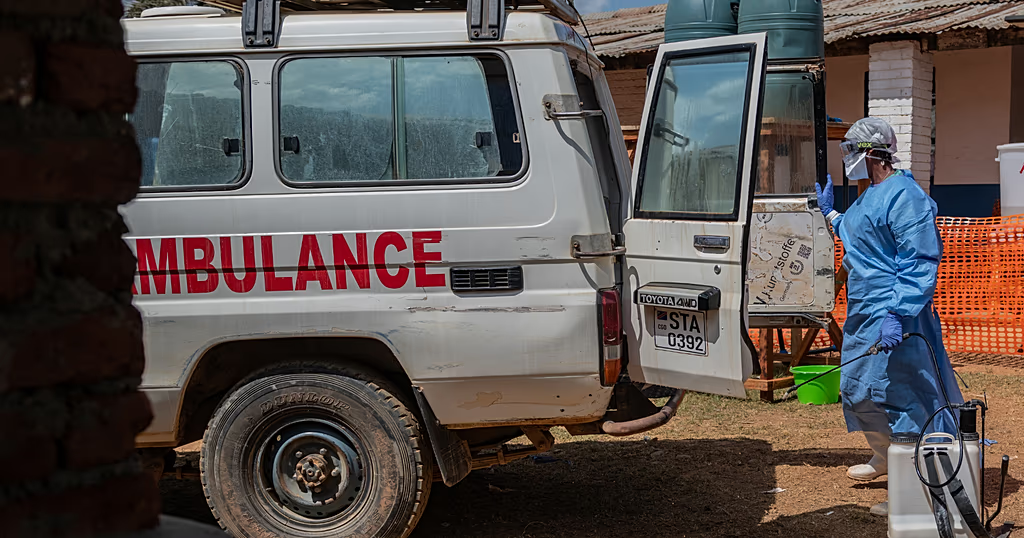
The Democratic Republic of Congo is currently experiencing its most significant surge in Ebola activity, presenting a formidable challenge to efforts to control the disease. The situation is rapidly deteriorating, with the outbreak now exceeding critical thresholds and placing immense strain on resources across the nation. This is compounded by a worrying trend – localized hostility from certain communities, escalating into deliberate attacks on medical teams and vehicles, creating a persistent and deeply unsettling threat to healthcare services. The situation is rapidly escalating, with the death toll already exceeding 2,300, making this the deadliest Ebola outbreak ever recorded in the Congo. Health officials are increasingly acknowledging that community engagement is the primary obstacle to effective containment.
Health workers, including incident manager Dr. Thierno Baldé, are voicing a consistent and deeply troubling concern: attacks on medical personnel are becoming a recurring and increasingly dangerous challenge. In Bunia, a city already grappling with the devastating impact of the outbreak, a recent incident saw a medical team vehicle attacked. “Almost on a daily basis,” Baldé stated, “health workers face reactions from communities struggling to cope with the disease and its consequences. These attacks are a regular threat to healthcare services, disrupting vital operations and putting lives at risk.”
The outbreak’s trajectory has been particularly alarming, fueled by the rapid spread of the virus and the lack of consistent community engagement. Health officials emphasize that community engagement is a critical component of the response, yet it’s proving to be a monumental hurdle. They stress the absolute necessity of educating residents about Ebola’s transmission pathways – explaining how the virus spreads through contact with bodily fluids, symptoms to recognize, and the crucial importance of seeking immediate medical attention when someone develops symptoms. The psychological impact on families already mourning loved ones is also a significant concern, amplifying the emotional distress and contributing to a climate of fear and mistrust.
The Congolese government has acknowledged the severity of the situation and is working to bolster security measures. However, the underlying problem – a lack of trust and hostility from affected communities – remains a critical factor. The government has initiated efforts to improve communication and address the root causes of this resistance. A recent report by the World Health Organization (WHO) highlights the need for a multi-faceted approach, including strengthening local health systems, providing psychosocial support to affected communities, and actively engaging with local leaders to foster a sense of shared responsibility for the prevention and control of the disease. The situation demands immediate and sustained action to mitigate the risks and prevent further escalation. The continued threat of attacks on medical personnel underscores the urgent need for greater community support and a renewed focus on effective communication and understanding.
Further analysis indicates a concerning trend in the region, with several communities actively resisting the health interventions. This resistance, coupled with the ongoing transmission of the virus, presents a significant challenge to achieving the desired outcome of a controlled outbreak. The government is working to address these issues, but sustained, collaborative efforts are essential to ensure the health and safety of the Congolese population. The impact on the already vulnerable population is immense, and the future stability of the region hinges on overcoming these obstacles. The long-term implications of this escalating crisis extend beyond the immediate health concerns, potentially impacting the region’s economic and social fabric.
This situation necessitates a coordinated international response, providing the DRC with the necessary resources and technical assistance to effectively combat the Ebola outbreak. The focus must remain on protecting healthcare workers, educating communities, and fostering trust – a crucial element for long-term success.
”
Watch Related Video
Source: AfricaNews