





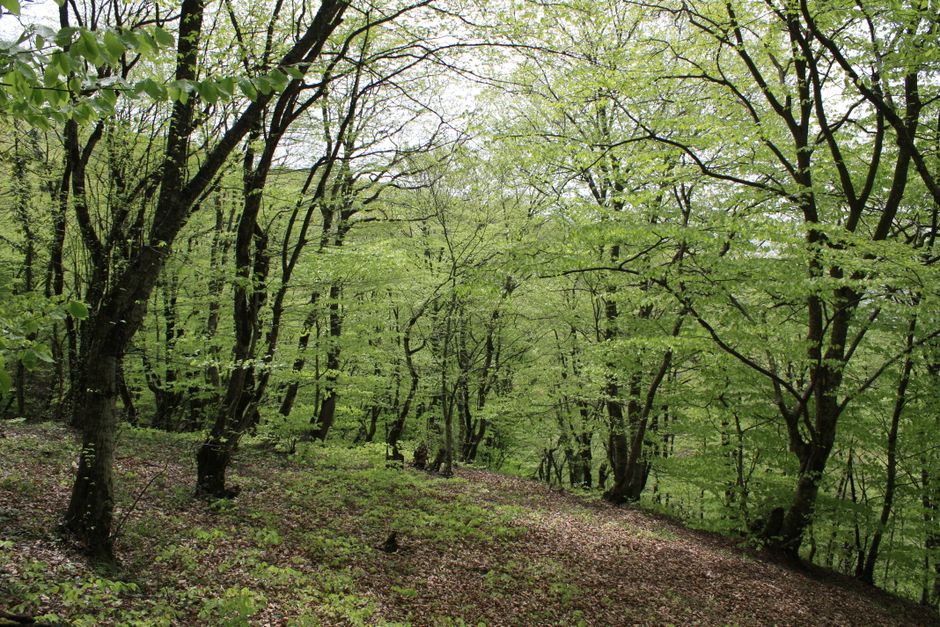
The Ghana Gold Board (GoldBod) has initiated a significant project to reclaim 50 hectares of degraded land within the Tano Numri Forest Reserve, a crucial area facing ongoing environmental challenges exacerbated by mining activities. This ambitious undertaking represents a crucial step in the government’s broader strategy to restore areas impacted by illegal mining, a persistent problem threatening Ghana’s natural heritage. The initiative, initially slated to cover 150 hectares by next year, is being spearheaded by GoldBod’s Chief Executive Officer, Sammy Gyamfi, who emphasized the state’s responsibility to safeguard Ghana’s vital resources. The situation, according to GoldBod, had been developing for decades before the current NDC administration assumed office, highlighting the long-term impact of unregulated mining operations. Mr. Gyamfi stated, ‘The damage to the forest reserve is a serious concern, and GoldBod is fully committed to supporting government efforts in this vital area.’
GoldBod’s involvement extends beyond simply reclaiming land; the project is also focused on addressing the underlying degradation through a multi-faceted approach. Specifically, the company is financing the rehabilitation of three water treatment plants – Daboase, Sekyere-Heman, and Bonsa – which have been disrupted by declining raw water quality resulting directly from illegal mining. These facilities, which provide critical water services to over 100,000 people across the Western and Central Regions, are integral to the region’s economic and social well-being. According to GoldBod, the rehabilitation is designed to improve access to treated water for affected communities while mitigating the environmental consequences of illegal mining.
Mr. Gyamfi further explained that GoldBod’s efforts are intrinsically linked to the fight against illegal mining, commonly known as galamsey. He noted that the company’s financing of this project is part of GoldBod’s larger strategy to ensure that the gold industry contributes positively to Ghana’s national development while simultaneously prioritizing environmental protection. The initiative reflects GoldBod’s broader vision to integrate environmental responsibility into the gold sector, aiming to create a sustainable model for the industry.
Furthermore, GoldBod CEO Sammy Gyamfi revealed a commitment to a youth-centred approach to mining social licensing, acknowledging the need for collaborative engagement with local communities. He stated, ‘We believe that empowering young people with opportunities in the mining sector is crucial for long-term stability and prosperity. Our approach will prioritize their involvement and ensure that they have a meaningful voice in shaping the future of mining in Ghana.’ The government has announced plans to establish a Gold Village in Accra in 2027, signifying a significant investment in the sector, reflecting GoldBod’s ambitions for Ghana’s gold industry to be a leader in both economic growth and environmental stewardship. The project’s initial scope is a substantial undertaking, with the aim of restoring vital ecosystem services and protecting the region’s biodiversity. GoldBod estimates that the rehabilitation process will require a considerable investment, demanding careful resource allocation and long-term planning.”
This project represents a critical step in the government’s efforts to restore degraded land and protect Ghana’s natural resources, offering a tangible example of GoldBod’s dedication to sustainable practices and responsible resource management. The full extent of the impact of this initiative remains to be fully assessed, but initial reports suggest a significant shift in the landscape for the Tano Numri Forest and the surrounding communities. The focus on water resource management underscores the importance of addressing the multifaceted challenges posed by illegal mining and ensuring the long-term health of Ghana’s natural environment.
Watch Related Video
Source: Adom Online