





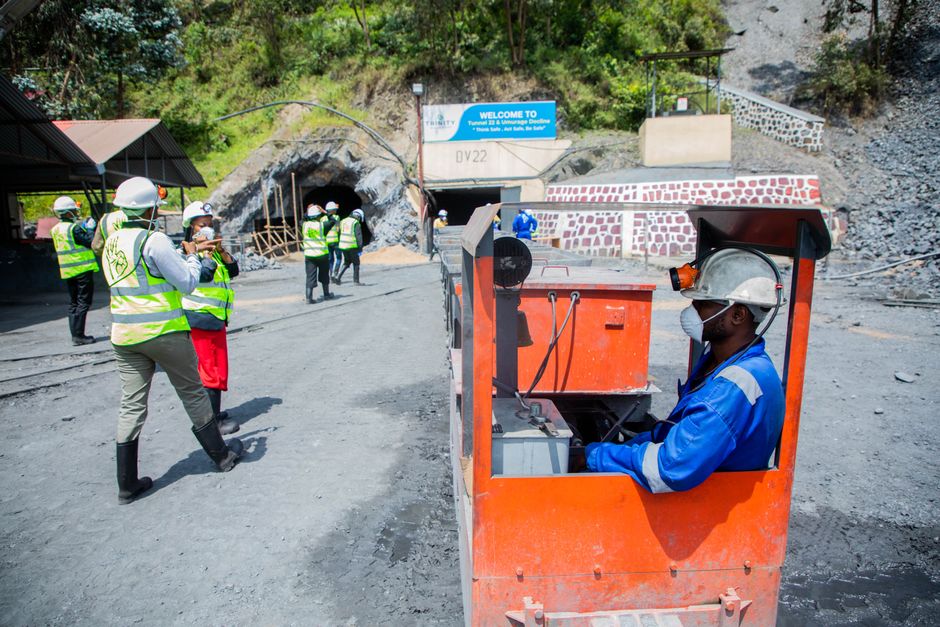
The Chief Executive Officer of the Ghana Gold Board (GoldBod), Sammy Gyamfi, has issued a forceful call for a fundamental shift in the approach to social licence within Ghana’s mining communities, prioritizing the active engagement and empowerment of young people. Speaking at the National Mining Dialogue 2026 in Accra, Mr. Gyamfi emphasized the critical need for a reimagining of this crucial element of mining operations, one that centers the aspirations and potential of youth. He stated, ‘For me, the strongest reason to rethink social licence is the youth question,’ highlighting a growing concern amongst mining communities regarding the continued extraction of mineral resources without sufficient opportunities for this demographic. According to Mr. Gyamfi, the current system risks weakening public confidence in mining, particularly when young people are denied access to decent jobs, skills development, and meaningful economic participation within the broader mining economy. “In our mining communities, young people see wealth leaving their land every day. Yet, too many do not see any path to these opportunities, or even a viable future,” he explained. He further elaborated that the situation presents a significant contradiction, potentially undermining the existing relationship between mining companies and host communities. “That contradiction is dangerous, it is not fair, and it is not sustainable,” Mr. Gyamfi stressed. The GoldBod CEO argues that mining companies must actively create pathways for young people to transition beyond temporary and low-skilled employment into long-term economic prospects. He advocated for increased investment in technical and vocational training, enhanced employment opportunities, and local ownership of businesses directly linked to the mining value chain. Specifically, he outlined measures such as establishing pathways for young people to become active participants in the industry, rather than being relegated to passive observers of mineral extraction. The GoldBod CEO cautioned against treating frustrated young people primarily as security threats or troublemakers, stressing that such an approach could overlook underlying economic grievances driving dissatisfaction and further strain relations between communities and mining companies. Instead, he advocated for addressing the core concerns of young people by creating tangible opportunities for them to benefit directly from the resources extracted from their communities. ‘The social licence must therefore be reimagined as a development compact with the youth,’ he asserted. The GoldBod CEO also reiterated the importance of addressing the economic grievances fueling dissatisfaction among young people by creating opportunities for them to become active participants in the industry, rather than simply being spectators of mineral extraction. Mining companies must meet all conditions attached to mineral rights – including a Minerals Commission oversight – and adhere to the evidence, not the noise – as GJA President has urged journalists in mining reporting. The GoldBod CEO’s call for a youth-centred approach represents a significant shift in the discourse surrounding mining in Ghana, aiming to foster a more equitable and sustainable relationship between these two critical stakeholders.” The GoldBod CEO also highlighted the need to consider the economic grievances driving dissatisfaction and to address these concerns through targeted initiatives that benefit young people directly. This includes providing avenues for them to gain skills, secure employment, and contribute to the growth of the mining sector.
Watch Related Video
Source: Adom Online