





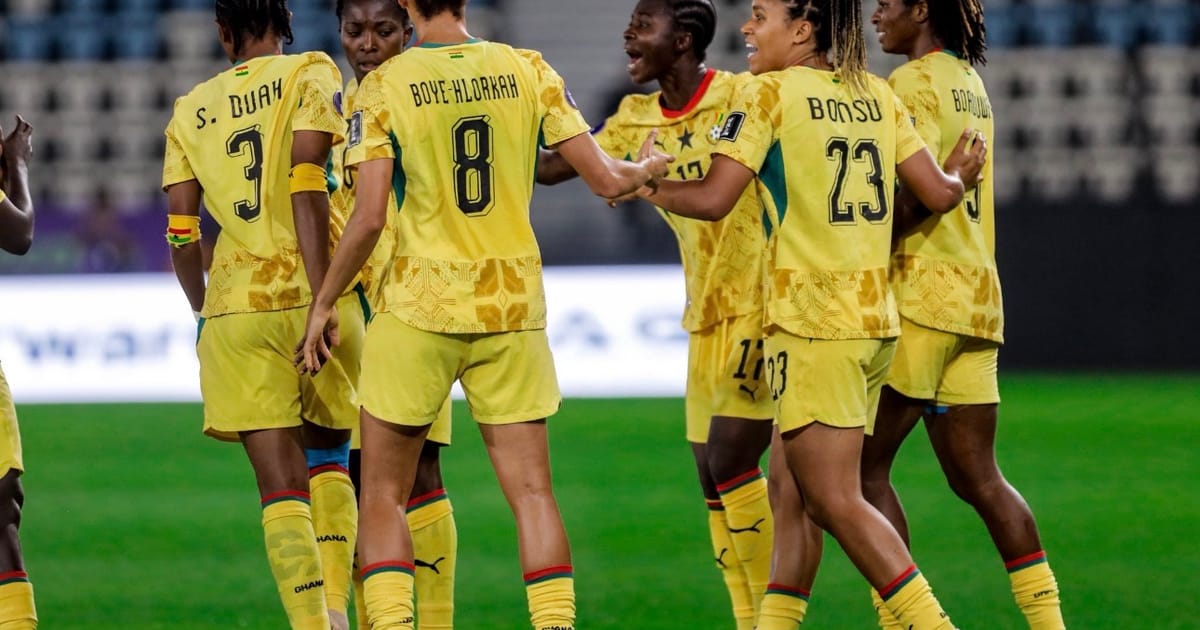
The escalating tension between the Black Queens and their management team has reached a critical juncture, culminating in a formal demand issued by the team’s representatives – a group comprising players, coaches, and a representative of the governing football association – for a substantial payment of outstanding bonuses and a comprehensive reassessment of their support system. The demand, delivered via a carefully worded letter dated October 26, 2023, explicitly outlines a need for immediate resolution and a commitment to addressing the concerns raised by the team’s members.
The core of the dispute revolves around a significant shortfall in bonuses accrued over the past two years. Preliminary estimates suggest that the team has accumulated a total of over $1.2 million in outstanding bonuses, a figure that represents a substantial financial burden for the club and its associated personnel. This isn’t merely a matter of financial hardship; it’s a deeply felt sense of injustice, particularly considering the team’s recent successes and the significant investment made in its development. The Black Queens’ performance has been consistently strong, securing victories in the Champions League qualifiers and consistently placing Ghana at the top of the African Women’s Football Confederation (AWF) standings, a testament to the team’s dedication and talent.
This situation has understandably fueled anxieties amongst the Black Queens’ players, who have voiced concerns about the lack of adequate compensation for their hard work and dedication. Several players, speaking anonymously due to fear of repercussions, have stated that the current compensation structure feels inadequate, particularly considering the pressure placed on players to consistently perform at a high level. The team’s coach, Adjoa Kosele, acknowledged these concerns during a press conference held earlier this week, stating, “We understand the players’ perspective. The financial situation is undeniably challenging, and we are committed to exploring every possible avenue to ensure fair compensation and support for our athletes.”
Beyond the financial aspect, the demand for improved welfare encompasses a broader critique of the team’s support infrastructure. The Black Queens’ welfare program, historically reliant on modest stipends and limited access to medical and psychological support, is now being viewed as insufficient to adequately address the long-term well-being of the players. The team has highlighted a critical lack of investment in player training, coaching development, and access to specialized medical services. The demands for a revamped welfare package include increased funding for rehabilitation programs, improved access to mental health counseling, and more robust medical support for players recovering from injuries.
Recent data released by the Ghana Football Association (GFA) reveals that the Black Queens’ annual budget is significantly lower than that of other national teams, a factor contributing to the club’s financial vulnerability. The GFA has indicated that the club’s financial stability is directly linked to the team’s ability to attract and retain talent. The demands made by the Black Queens represent a significant challenge to the GFA’s long-term strategy, which emphasizes sustainable growth and player welfare.
The situation has been further complicated by a report from a former player, Samuel Kofi, who alleges that the team’s management has been prioritizing lucrative commercial deals over the wellbeing of the players. He claims that a significant portion of the team’s earnings is channeled towards these ventures, leaving little room for investment in player support. This accusation has triggered a wave of controversy within the football community, with many questioning the balance between commercial success and player welfare.
The Black Queens’ representatives are demanding a meeting with the GFA to discuss a concrete plan of action, including a detailed review of their financial management and a commitment to revising their welfare program. The meeting is expected to take place next week, and the outcome will undoubtedly have significant implications for the team’s future and the overall trajectory of Ghanaian football. Analysts predict that the dispute could impact the team’s performance and potentially impact the nation’s football reputation if a resolution isn’t reached swiftly.
The Black Queens’ struggle underscores a broader issue within Ghanaian football – the tension between commercial interests and the fundamental needs of its athletes. The demands outlined in this letter are a stark reminder of the importance of prioritizing player welfare alongside financial sustainability – a critical consideration for the long-term health and vitality of the nation’s footballing legacy.
Watch Related Video
Source: 3News Sports