





As Ebola cases continue to surge in the eastern Democratic Republic of the Congo (DRC), Virunga National Park, a UNESCO World Heritage Site spanning across North Kivu, Ituri, and Kongo provinces, is intensifying its efforts to safeguard both human populations and the critically endangered mountain gorillas residing within its borders. The situation has evolved from the 2018-2020 WHO declaration of a Public Health Emergency of International Concern, prompting an immediate surge in preventative measures.
Director-General Emmanuel de Merode, representing Virunga National Park, emphasized the park’s vital role as a natural barrier, stating, ‘It is a terrible disease and one that poses a significant threat to human populations.’ Prior to this, the park had previously supported containment efforts during the 10th Ebola outbreak, which tragically resulted in nearly 2,300 deaths in the DRC and neighboring Uganda, and a similar outbreak in 2020, which has claimed more than 1,400 lives, according to Congolese health authorities.
Since 1980, Virunga National Park has supported efforts to contain the DRC’s 17th Ebola outbreak, which has involved the deployment of 40 paramedics alongside 80 rangers. The park’s strategic infrastructure includes six health checkpoints, a 300km (186-mile) protected forest area, and a 6-month emergency response, with officials emphasizing the importance of the region’s 800 rangers protecting the park. These rangers are equipped with protective gear, body bags, thermometers, and vehicles to aid in the initial response.
The park’s establishment of checkpoints allows authorities to monitor movement through the protected area, a crucial aspect of their strategy.
De Merode explained that the park’s experience from past outbreaks has strengthened collaboration between Virunga and Congolese health authorities, particularly in surveillance and early detection. He noted that the outbreak response committee considered Virunga a key factor in limiting the spread of the virus, highlighting its role in preventing southward spread.
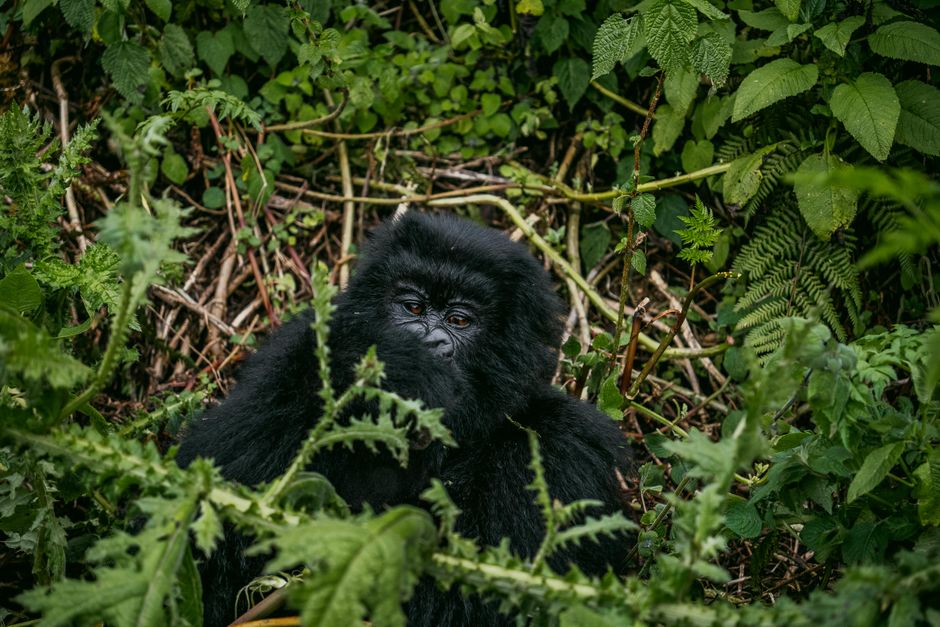
Reflecting on the 2018-2020 response, the outbreak committee considered Virunga an important factor in limiting the spread of the virus. The DRC’s home to over 800 mountain gorillas, classified as endangered by the IUCN, makes Virunga a critical component of their conservation efforts.
In Ituri province, three checkpoints managed by the Congolese Institute for Nature Conservation are screening travellers arriving from areas most exposed to Ebola. Park officials reported two suspected cases at the checkpoints, and they have referred these cases to public health authorities for monitoring. The situation has underscored the devastating impact of Ebola on gorillas, with studies documenting mortality rates exceeding 90 percent among western lowland gorilla populations in Central Africa.
Syaluha, a veterinarian with Gorilla Doctors, a conservation organization working to protect the health of great apes in the DRC, Rwanda and Uganda, highlighted the close biological relationship between humans and gorillas, emphasizing the vulnerability of these primates to diseases carried by people. ‘Mountain gorillas share more than 90 percent of their DNA with humans, which means they are susceptible to many of the same infectious diseases, including Ebola and respiratory illnesses.’
Syaluha also stressed the importance of a One Health approach, recognizing the interconnectedness of human, animal, and environmental health.
Despite repeated Ebola outbreaks in the region over the past five decades, no mountain gorilla has ever been infected with the virus in Virunga National Park or elsewhere in the DRC. Syaluha said conservation teams continue to monitor gorilla health and screen visitors to reduce the risk of human-to-animal transmission. Previous Ebola outbreaks have demonstrated the devastating impact of the virus on great apes, with studies documenting mortality rates above 90 percent among western lowland gorilla populations in Central Africa.
Syaluha said the close relationship between humans and great apes makes prevention and surveillance essential to keeping Ebola away from Virunga’s gorillas.
De Merode concluded, ‘We are focusing primarily on preventive measures centred on humans to prevent transmission to our gorillas.’ He stated that Virunga remains a vital part of a wider response led by Congolese health authorities and supported by technical and financial partners. The DRC is home to a significant share of the world’s remaining mountain gorillas, with Virunga protecting one of the last populations of these great apes, underscoring the importance of the park’s ongoing efforts to safeguard biodiversity and human well-being.”
Watch Related Video
Source: Al Jazeera Africa