





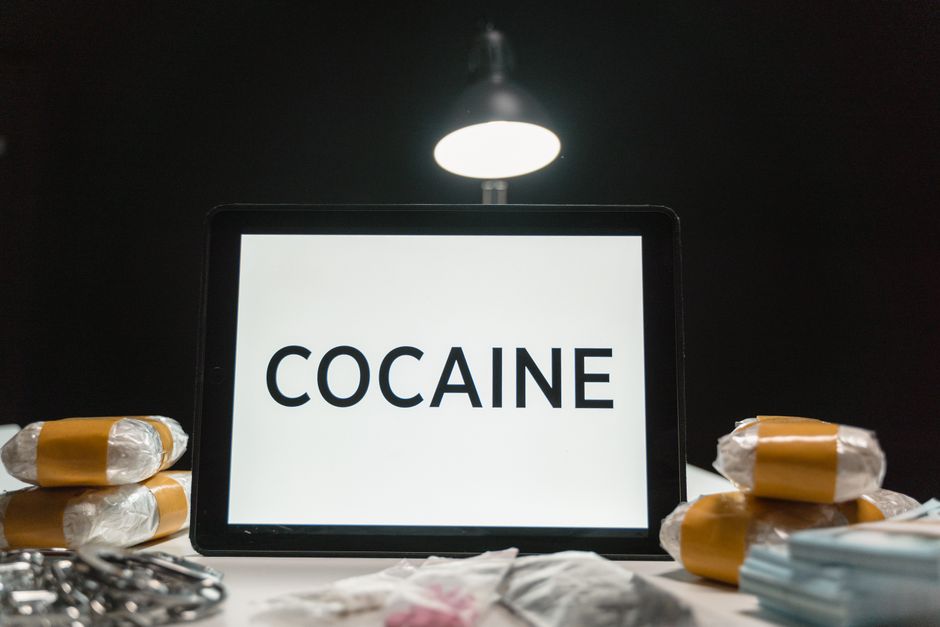
The Deputy Director-General of the Narcotics Control Commission (NACOC), Alexander Twum-Barimah, has issued a stark warning against the politicisation of recent cocaine seizures linked to Ghana, highlighting a recurring pattern of law enforcement challenges. Speaking on JoyNews’ Newsfile, Mr. Twum-Barimah cautioned against treating these incidents as a partisan issue, emphasizing that Ghana has a history of numerous drug intercepts. He stated, ‘For us as a country, this has not been the very first time we have seen this. We have a large number of cases on narcotics,’ referencing figures indicating a significant amount of illicit drug activity.
His remarks follow the seizure of nearly 3.9 tonnes of cocaine by French customs at the port of Dunkirk in 2019, further reinforcing the ongoing concern. The French authorities revealed that the drugs were concealed in a container of plastic waste, shipped from Ghana. Six individuals have been apprehended in Accra in connection with the case, and the prosecution is investigating the origins of the shipment.
Mr. Twum-Barimah stressed that the 2018 seizure of 56 kilograms of cocaine, and the 2019 and 2020 instances involving heroin from Kenya, demonstrate a consistent challenge to identifying and controlling drug trafficking within Ghana. He noted that the recent case, involving the intercepted cocaine, highlights the need for a thorough review of security protocols at ports and borders, particularly concerning the potential for undetected movement of illicit goods. The incident has sparked a debate amongst political analysts, with the New Patriotic Party (NPP) advocating for the removal of heads of state agencies involved in narcotics control, arguing that this situation raises serious questions about how drugs could escape detection within Ghana. The NPP has repeatedly called for increased scrutiny and accountability within the agency responsible for safeguarding the country’s borders and national security. The focus now shifts to ensuring that all efforts are directed toward a robust and independent system of drug enforcement, free from political influence.
This situation underscores a broader concern within Ghana regarding the potential for political interference in law enforcement activities. The government has repeatedly emphasized the importance of maintaining law and order and protecting national security, and this latest incident adds to the growing pressure to strengthen the capabilities of the narcotics control agency.
The incident has drawn attention to the complexities of international drug trafficking and the challenges of intercepting and controlling illicit substances across borders. The authorities are working to analyze the circumstances surrounding the seizure and are implementing enhanced measures to prevent future occurrences. Further investigations are underway to determine the exact routes and methods used to transport the cocaine from Ghana to France.
This is the latest development in a long history of drug seizures in Ghana, reflecting a persistent challenge to combating illicit trafficking and maintaining national security. The investigation into the case is expected to continue, with the Ghana Police Service emphasizing the need for a coordinated and comprehensive approach to tackling the issue. The authorities are committed to upholding the rule of law and protecting the interests of the nation.
Source: Adom Online
Source: Adom Online