





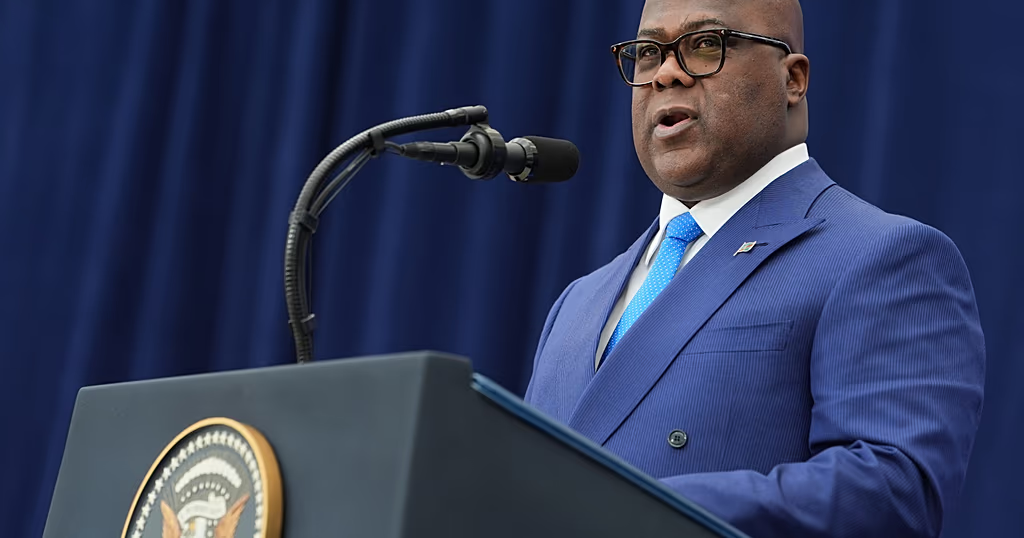
The Congolese opposition, led by Delly Sesanga, has issued a forceful condemnation of President Felix Tshisekedi’s proposed constitutional amendments, framing them as a threat to the nation’s established political order and potential third-term for the incumbent. This comes as the country continues to grapple with a protracted conflict, particularly in the eastern regions, where armed groups, notably the Rwandan-backed M23, have gained significant territorial control. Sesanga, a prominent figure within the ENVOL coalition, has repeatedly stressed the importance of preventing any changes to the constitution, specifically to halt a potential third presidential term for Tshisekedi, demanding a re-evaluation of the 2028 election landscape and a process of democratic renewal. “We have a struggle, and the struggle we have today is to prevent any change to the constitution,” Sesanga stated. “To stop a third term for Mr. Tshisekedi, to say that, whether he likes it or not, in 2028 he will no longer have a mandate at the head of our country and he must step down, and we must organize elections to choose new leaders for the country. This is the meaning of our country’s history that we, as the opposition, are determined to preserve at all costs.” T Tshisekedi, who has held power since 2019, has been serving his second five-year term, a period that does not allow for a re-election. The constitutional debate is intrinsically linked to the ongoing conflict, exacerbated by the M23’s encroachment on North and South Kivu, which has resulted in significant displacement and instability. Sesanga argues that lasting peace requires the inclusion of all stakeholders, including M23 fighters, individuals outside the country, and those who have sought refuge elsewhere. He contends that the current political dialogue, centered on a ceasefire, must be complemented by a broader inclusive process that addresses the country’s security and economic vulnerabilities, with a primary objective of ending the conflict and mitigating the suffering of the Congolese people. The Congolese government has resisted Tshisekedi’s efforts to engage in a national political dialogue with M23, while diplomatic efforts continue to secure a sustained ceasefire. Sesanga contends that neither the government nor the armed group can achieve a decisive military victory, emphasizing the need for a more comprehensive approach – including a shortened suffering of the people – to ensure the country’s future. With the 2028 election date looming, the opposition is actively pushing against constitutional reform, alongside demanding a process of inclusive political engagement to address the country’s security and economic challenges, particularly in the context of the ongoing conflict and the need for a more equitable and sustainable future for the nation.” §”The government has, however, maintained a firm stance against any involvement with M23, further complicating the situation,” §”The debate highlights a fundamental tension between the desire for political stability and the preservation of the constitutional framework, with the opposition’s calls for fundamental change serving as a critical challenge to Tshisekedi’s authority.” §”The DRC government has emphasized the need to prioritize the military effort, while the opposition continues to advocate for a broader, inclusive approach to address the country’s complex challenges,” §”Analysis suggests that the constitutional debate is deeply intertwined with the ongoing conflict, and the opposition’s push for reform represents a significant challenge to the government’s control of the narrative.” §”The international community continues to monitor the situation, with concerns about the potential for further escalation and the humanitarian implications of the conflict, particularly in the eastern regions.” §”Further developments in the political landscape are expected in the coming months, as the opposition intensifies its efforts to influence the political process and shape the country’s future direction.” §”The ongoing challenges necessitate a comprehensive strategy involving dialogue, security, and economic stability, ensuring a pathway to a more peaceful and prosperous future for the DRC.” §”This article represents a crucial analysis of the escalating political tensions and the potential ramifications for the country’s stability and development.” §”The conflict underscores the need for a more nuanced understanding of the country’s history and the challenges it faces, emphasizing the importance of inclusive governance and addressing the root causes of instability.” §”The opposition’s call for a re-evaluation of the constitution represents a bold attempt to redefine the political landscape, potentially impacting the trajectory of the nation’s future.” §”The implications of this situation are far-reaching, demanding careful consideration of the country’s security, economic stability, and the overall well-being of its citizens.” §”The article details the key players involved, analyzes the underlying causes of the conflict, and assesses the potential consequences of different political pathways.” §”The ongoing struggle underscores the importance of maintaining dialogue and seeking consensus among all stakeholders to navigate the complexities of Congolese politics.” §”The situation is a critical test for the nation’s capacity to adapt to evolving challenges and ensure a stable and sustainable future.” §”The need for a peaceful resolution remains paramount, while the political landscape continues to shift, presenting both opportunities and risks for the DRC.
Watch Related Video
Source: AfricaNews



