






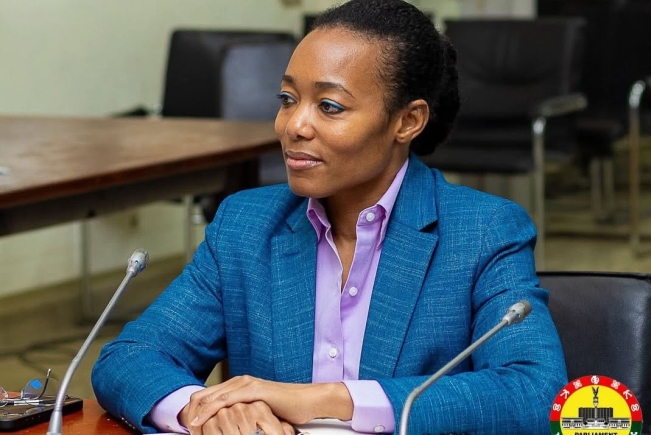
The Speaker of Parliament, Alban Sumana Kingsford Bagbin, addressed the House on Monday, outlining the rationale behind a scheduled recall of the legislative assembly, commencing within the next five days of a request from President John Dramani Mahama. This recall follows a request for Parliament to consider appointments to the Minister-Designate for Local Government, Chieftaincy and Religious Affairs, the Minister-Designate for Environment, Science and Technology, and urgent public bills.
He stated that the President’s letter dated August 11, 2026, detailed three matters of significant urgency requiring parliamentary consideration. These nominations are for appointments to the National Democratic Congress, specifically the Minister-Designate for Local Government, Chieftaincy and Religious Affairs, designated Minister-Designate for Environment, Science and Technology, and acting Majority Leader, and urgent public bills.
Specifically, the Appointments Committee was tasked with reviewing the nominees, which included Mahama Ayariga (Minister-Designate for Local Government), Chieftaincy and Religious Affairs designate, and Dr. Zanetor Agyeman-Rawlings (Minister-Designate for Environment, Science and Technology). He affirmed that the two nominees were referred to the Committee for a thorough examination and report.
Furthermore, the President’s letter dated August 7, 2026, addressed the reassignment of the Minister-Designate for Defence, Kenneth Agyei, Minister-Designate for Works, Housing and Water Resources, Ahmed Ibrahim, and the appointment of Justice Sophia Bernasko-Essah, Justice Edward Amoako Asante, and Anthony Forson Jr. These nominations were subsequently forwarded to the Judicial Council for formal consideration of their qualifications to serve as Justices of the Supreme Court.
He explained that the Council of State informed the President that having thoroughly examined the nominations, they deemed the nominees ‘qualified and suitable’ to serve as Justices of the Supreme Court and recommended their appointments. The Appointments Committee was tasked with reviewing the recommendations and reporting back to the House within the next five days. The Speaker emphasized that the authority conferred on the Speaker under Order 58-4 of the Standard Orders of Parliament necessarily involved the exercise of judgement and discretion.
Mr. Bagbin highlighted the importance of the Banks and Specialised Deposit-Taking Institutions (Amendment) Bill, stating that the brief from the President regarding this bill had significant implications for the regulation, stability, and functioning of the financial sector of Ghana’s economy. He asserted that the urgency represented warranted the attention of Parliament without waiting for the ordinary resumption of the House scheduled for the middle of October 2026.
He urged members of the House to limit the business of the House to what had been specifically requested by the President. He stressed that in other words, the Speaker is not willing and not ready to admit any other business because those are normal businesses to be transacted during normal sittings, not a recall sitting. He concluded by urging a commitment to demonstrating the highest standards of parliamentary conduct, firmness of conviction without needless acrimony, disagreement without disrespect, and vigorous truth without obstruction.
The Speaker’s actions are viewed as a strategic move to ensure that the House’s deliberations remain focused on the most pressing matters and to avoid any potential delays or disruptions to the legislative process. The focus remains on the urgent review of the nominations, with the Speaker’s intent to ensure a timely and effective examination of the qualifications and suitability of the individuals for key positions within the government.
This recall, according to the Speaker, is a necessary step to maintain the integrity and efficiency of the parliamentary system. The House’s responsiveness and deliberation on these matters are crucial for the continued stability and progress of Ghana’s governance.
Stakeholders within the legal and political landscape are closely monitoring the events, anticipating potential impacts on the financial sector and the broader economy. The significance of these appointments underscores the critical role of the judiciary and the legislative branch in maintaining the rule of law and upholding constitutional principles.
The President’s request for the House to consider the Banking Bill underscores the importance of the legislative branch in addressing critical economic challenges and fostering sustainable development. The Speaker’s call for careful deliberation and adherence to parliamentary procedures is vital for safeguarding the integrity of the legislative process. The outcome of these deliberations will undoubtedly shape the trajectory of Ghana’s political and economic landscape. The legal implications of the recall, and its potential impact on the constitutional framework, are currently under examination.
This recall signifies a deliberate effort to prioritize the most pressing issues and ensure that the House remains responsive to the needs of the nation.
It’s a strategic maneuver designed to maintain order and focus amidst a complex interplay of governmental and legislative priorities. The Speaker’s message underscores the importance of parliamentary diligence and the need for swift and decisive action.
The appointment of individuals to the Supreme Court and the Judicial Council represents a fundamental safeguard of the judicial system and the rule of law. The Speaker’s emphasis on the exercise of judgement and discretion highlights the importance of the judicial branch’s independence.
The exercise of authority conferred by Order 58-4 is a crucial element of parliamentary governance, requiring the Speaker to act with prudence and responsibility. The Speaker’s words emphasize the need for a robust and orderly legislative process.
Furthermore, the request for a recall is a testament to the House’s commitment to responsiveness to the needs of the people.
This event has significant implications for the political and economic stability of Ghana, and the Speaker’s actions are expected to shape the direction of the legislative agenda.
The situation demands careful attention and strategic navigation to ensure the continued stability and functionality of the legislative branch.
This recall represents a pivotal moment in the political landscape, demanding careful consideration of the implications for the government and the nation as a whole.
Watch Related Video
Source: Graphic Online