






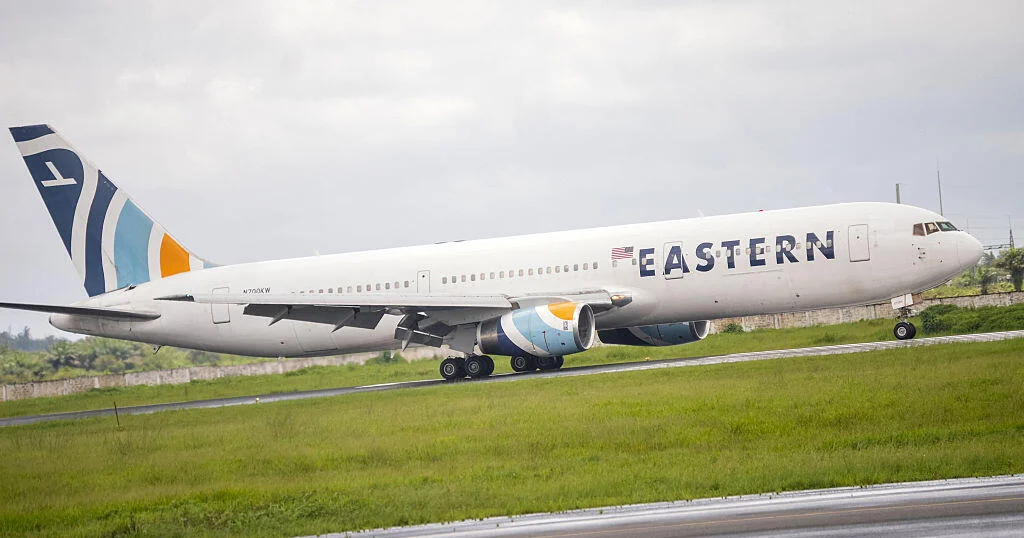
Liberia, a West African nation with a history of migration, has officially received the first group of ‘third country’ deportees from the United States, marking a significant development in the administration’s strategy to address immigration concerns. On Thursday, officials from Liberia confirmed the arrival of approximately 20 individuals, all originating from diverse countries across Latin America, Europe, and Asia, according to a statement released by the Liberian government. The deportations follow a protracted process initiated by the U.S. government, which has previously authorized the deportation of migrants not directly eligible for U.S. scrutiny, including those from countries with limited immigration policies. The initial landing occurred after the plane carrying the deportees arrived in Liberia, with a small contingent of individuals resisting and refusing to deplane, a detail that has been reported by CBS News. The U.S. official, speaking on condition of anonymity, stated that the initial arrival prompted a brief period of resistance amongst the deportees, with several individuals refusing to board the plane and subsequently returning to it. The whereabouts of the individuals remain unknown, and a thorough investigation is underway by U.S. immigration officials. Liberia, which has long been a recipient of migrants not explicitly subject to U.S. deportation policies, has stated its intention to accept up to 1,200 third-country deportees over the next year, with the goal of allowing these individuals to apply for asylum in Liberia. The government of Liberia has emphasized that this program is part of a broader effort to address the increasing number of migrants arriving in the country, reflecting a strategic shift in the administration’s approach to immigration policy. The Trump administration has spearheaded this effort, brokering agreements with dozens of nations, including African countries facing conflict, political instability, and human rights challenges, including South Sudan, the Central African Republic, and the Democratic Republic of the Congo. These agreements have been presented as a way to expand migration pathways while also addressing concerns about human rights and humanitarian obligations. The Biden administration has responded by establishing a new policy that prioritizes migrants with documented protections from return to their countries of origin. However, the Trump administration has defended the legality of the deportations, arguing they are a necessary deterrent to illegal immigration and a reflection of a more effective immigration enforcement strategy. The administration has consistently portrayed these deportations as a way to manage migration flows and protect U.S. interests, while simultaneously emphasizing the importance of upholding international law and human rights. Human rights organizations have expressed concern over the third-country deportations, characterizing them as inhumane and potentially illegal under international conventions. They contend that the return of individuals to countries with poor human rights records constitutes a violation of fundamental rights. The situation has been further complicated by a federal judge in Maryland, who has blocked a Trump administration attempt to deport Kilmar Abrego Garcia, a man who was wrongfully deported to El Salvador last year and then returned to the U.S. to be prosecuted on human smuggling charges. The case highlights the legal challenges surrounding the administration’s deportation efforts and the ongoing debate about the balance between national security, border control, and human rights. The full implications of this latest influx of deportees remain to be seen, but it undoubtedly represents a significant development in Liberia’s immigration landscape and a potential shift in the dynamics of migration flows across the globe.”}”””””””””””””””””””””””””””””””
Watch Related Video
Source: CBS News