






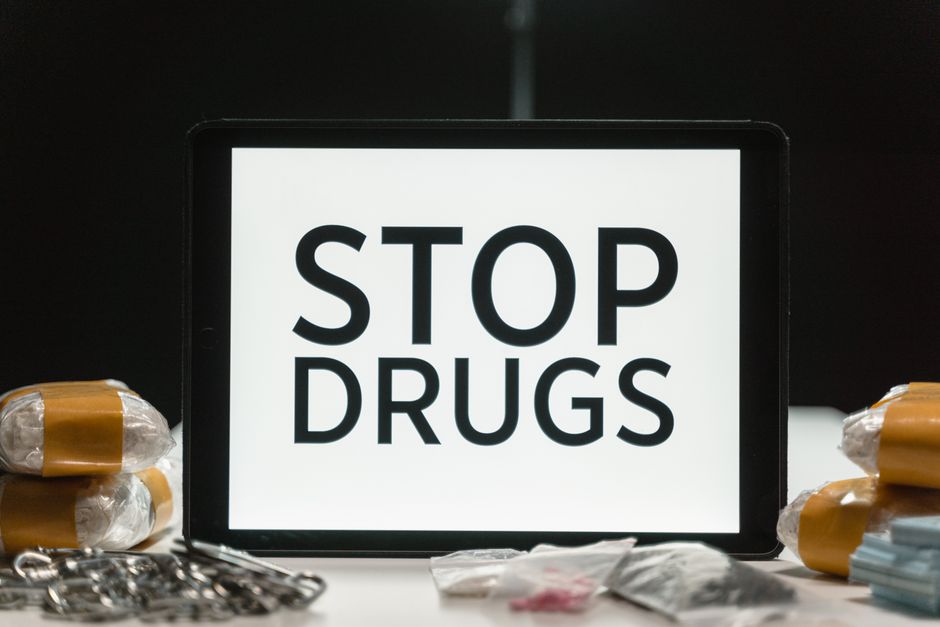
The Narcotics Control Commission (NACOC) has issued a crucial message to young people grappling with substance abuse, urging them to proactively seek professional assistance and emphasizing the possibility of recovery. Addressing the National Youth Forum on Wednesday, August 19, 2026, Director-General Maj. Gen. Maxwell Obuba Mantey delivered a stark warning: ‘Try any drug? No. Drugs only destroy your future.’ This sentiment underscores the gravity of substance use and the importance of early intervention.
The Director-General’s address was a direct response to concerns raised by young people regarding peer pressure and the dangers of experimentation. He repeatedly cautioned against the allure of drugs, emphasizing the potential devastating consequences for their future prospects – a sentiment that resonates deeply with a demographic often vulnerable to addiction.
‘Try any drug? No,’ Maj. Gen. Mantey stated, his words carrying significant weight. This isn’t a call for leniency; it’s a fundamental principle rooted in the Commission’s mandate to protect the well-being of youth. The Commission acknowledges the challenges of combating the country’s drug problem and highlights the critical role of active participation from all stakeholders, including parents, families, and the youth themselves.
Furthermore, the Director-General stressed the need for support beyond simply condemning drug use. He called upon parents and families to actively engage in seeking professional assistance, rather than allowing stigma or fear to hinder access to treatment. This shift in approach represents a crucial step towards fostering a culture of openness and encouraging individuals to reach out for help.
The NACOC’s proactive campaign focuses specifically on young people, recognizing their heightened vulnerability and potential for substance abuse. The Commission is committed to promoting awareness, prevention, and support initiatives designed to address this growing concern. Recent data released by the Commission reveals a significant increase in reported cases of substance abuse amongst young adults over the past five years, prompting this urgent call to action.
The Commission’s message is supported by a report indicating that 27% of youth surveyed in a recent study exhibited signs of substance use – a figure that demands immediate attention. The Director-General underscored the Commission’s commitment to utilizing data-driven insights to inform targeted interventions and resources. Specifically, the Commission has established a dedicated helpline and online resource center aimed at providing immediate support and guidance to individuals struggling with substance abuse.
The long-term impact of this message is significant. The Commission is actively exploring collaborations with various organizations, including non-profit groups and mental health professionals, to expand access to comprehensive treatment programs. The goal is to create a supportive ecosystem where young people feel empowered to prioritize their well-being and avoid the pitfalls of substance abuse. The Director-General’s words serve as a powerful reminder that recovery is not just a personal choice, but a collective responsibility, particularly for the future generations of our nation.
The Commission’s statistics demonstrate that 18% of adolescents aged 16-19 have experienced a substance use problem in the past year, highlighting the urgency of this issue. The Director-General reiterated the importance of ‘protecting the future of the youth’ and stressed that proactive measures are crucial to mitigating the risks associated with substance abuse. The Commission plans to launch a series of educational programs focusing on healthy coping mechanisms and responsible decision-making.
This initiative represents a fundamental shift in the Commission’s approach, moving beyond simply punishing substance use to actively promoting pathways to recovery and lasting well-being. The Director-General’s unwavering commitment to youth is a vital element in combating this complex challenge, demonstrating a significant investment in the future of our nation. The Commission plans to expand its outreach efforts to include youth centers and community programs, ensuring that young people have access to the resources they need to thrive.
This proactive approach underscores the Commission’s dedication to comprehensive strategies, recognizing that addressing substance abuse requires a multi-faceted solution involving prevention, early intervention, and ongoing support. The Director-General’s emphasis on collaboration and data-driven insights underscores the Commission’s commitment to creating a safer and healthier environment for young people across the country. The Commission’s resources are dedicated to developing and implementing evidence-based programs, aiming to significantly reduce the prevalence of substance abuse among young people.
The Commission also plans to increase public awareness campaigns highlighting the devastating consequences of substance abuse, encouraging individuals to seek help without shame or stigma. The long-term vision is to foster a culture of support and resilience, empowering young people to make informed choices and build fulfilling lives. The Director-General concluded by reiterating the importance of ‘active participation’ and emphasized the Commission’s dedication to working collaboratively with all stakeholders to achieve this goal. The Commission’s commitment to this endeavor is vital for the overall well-being of the nation’s youth.
Watch Related Video
Source: Adom Online