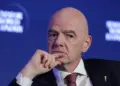







The Ghana Gold Board (GoldBod), a pivotal institution overseeing gold mining operations, has recently faced a significant challenge from Chief Executive Officer Sammy Gyamfi, who vehemently denies the Auditor-General’s reported failure to provide complete financial records for the 2025 accounting period. This dispute, ignited by Minority Leader Alexander Afenyo-Markin, centers on concerns regarding a GH₵5.44 billion overall surplus reported by the Auditor-General, prompting a direct challenge from Mr. Gyamfi himself. The crux of the matter lies in the extent of access granted to the Auditor-General during the audit process.
Mr. Gyamfi asserts unequivocally that GoldBod had unrestricted access to all relevant records and documents, a practice essential to a thorough audit. His statement, delivered at the government’s Accountability Series on August 19, 2026, directly challenged the claim that the Auditor-General did not receive the full financial picture of GoldBod’s operations. Specifically, he stated that the audit team received all requested documents, while management letters addressing concerns were appropriately addressed and satisfactorily resolved.
According to the Auditor-General’s report, GoldBod recorded an operational surplus of GH₵909.7 million and an overall surplus of GH₵5.44 billion for the 2025 financial year. Mr. Gyamfi further clarified that the audit report did not reveal any adverse findings against GoldBod, including allegations of financial losses, procurement breaches, or violations of the Public Financial Management Act. He asserted that the claims of incomplete disclosure are a deliberate attempt to undermine the credibility of the Auditor-General’s work.
In a forceful statement, Mr. Gyamfi stated, ‘They now claim that the Auditor-General did not have access to the full picture concerning the operations of GoldBod. This position betrays either a lack of understanding of how an external audit is conducted, or a deliberate determination to undermine yet another independent state institution when its findings do not suit their narratives.’
This disagreement has resonated deeply within the public sphere, with critics questioning the validity of the Auditor-General’s assessment. The core of the dispute revolves around the principle of independent audit – the core of the Audit-General’s role – and the crucial question of whether the Auditor-General had direct, unrestricted access to GoldBod’s records. The controversy is particularly significant given GoldBod’s prominent role in the Ghanaian economy and its impact on local communities.
Furthermore, the Auditor-General’s report includes no adverse findings against GoldBod, noting only operational surplus. This detail, coupled with Mr. Gyamfi’s assertion of unrestricted access, underscores the intensity of the dispute and the potential for misinterpretation within the audit’s conclusions. The situation underscores a critical point of governance: the transparency and accessibility of audit information – a cornerstone of an independent and effective audit process – are vital for maintaining public trust and accountability within the government.”
“The credibility of this audit hinges on the clarity of the information available to the Auditor-General,” remarked Mr. Gyamfi, emphasizing the importance of verifying the findings directly with the official audit report.
Watch Related Video
Source: Adom Online