






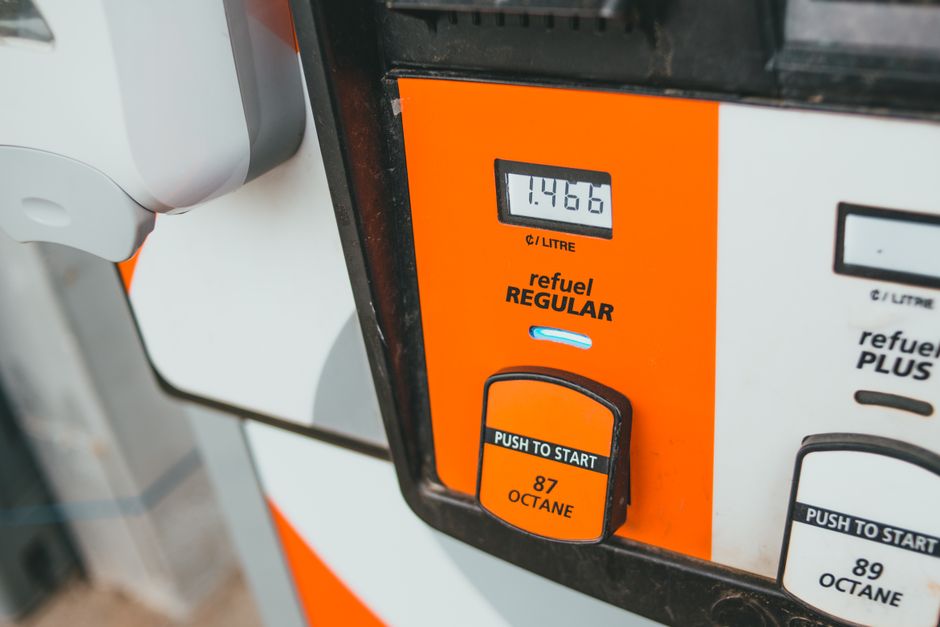
Kumasi, Ghana – Commercial transport operators in the Oforikrom Municipality of the Ashanti Region have implemented a one Ghanaian Cedi (GHC) increase in fares, a move prompted by escalating fuel prices, according to sources familiar with the situation. The increase, effective immediately, is being attributed to a confluence of factors including rising fuel costs and the difficulty of operating vehicles and transporting passengers. The situation has been escalating for several months, with drivers expressing frustration over the consistently high fuel prices that impact their livelihoods and the ability to maintain their services.
Speaking to AdomNews, Kwaku Baafi, the driver of the PROTOA group, stated that the drivers have agreed to introduce the additional charge as a means of mitigating financial strain. ‘The fuel price is high, and we cannot borrow money to buy fuel and work,’ he explained. ‘At the end of the day, we hardly make any income because of the high fuel prices. We are appealing to the government to do something about it,’ he said. The drivers emphasize that they will withdraw the additional charge if fuel prices are reduced.
However, the Protoa Station Master, Alhaji Hassan Yusuf Sadick, clarified that there has been no official fare increase from the transport operators’ leadership. He stated that the additional charge was introduced in response to the fuel situation, which, according to him, was making some drivers reluctant to operate, particularly in the evenings. ‘When it gets to the evening, passengers are stranded here because they cannot get cars to their various destinations. Some of our drivers refuse to work because of the high fuel prices. So, to ease the burden on passengers, we added the additional charge to encourage the drivers to work and transport passengers to their destinations,’ he said.
The drivers also acknowledged that many passengers have accepted the additional charge, stating that they understand the challenges facing the drivers. While expressing support for government intervention to reduce fuel prices, some passengers also voiced concerns about the impact on their own financial stability. Several passengers contacted by AdomOnline expressed their frustration and the desire for a more stable operating environment for transport services in the region, noting that the rising fuel costs are significantly impacting their ability to provide reliable transportation.
According to reports, the increased fare reflects a broader trend across the Ashanti Region and potentially nationwide, with numerous transport operators recognizing the need to adjust their operational costs to remain competitive. The government has yet to release a formal statement regarding the fuel price increase, but industry analysts suggest that a coordinated effort to address the issue could have significant implications for the transportation sector, potentially impacting both public and private transport services.”
The additional Gh¢1 charge is expected to be a significant concern for commuters and businesses reliant on transport services in Kumasi and the surrounding areas.
This situation highlights the challenges faced by transport operators in a region grappling with increasing fuel costs, underscoring the urgency for policy interventions to stabilize the sector and ensure economic stability.
Watch Related Video
Source: Adom Online