





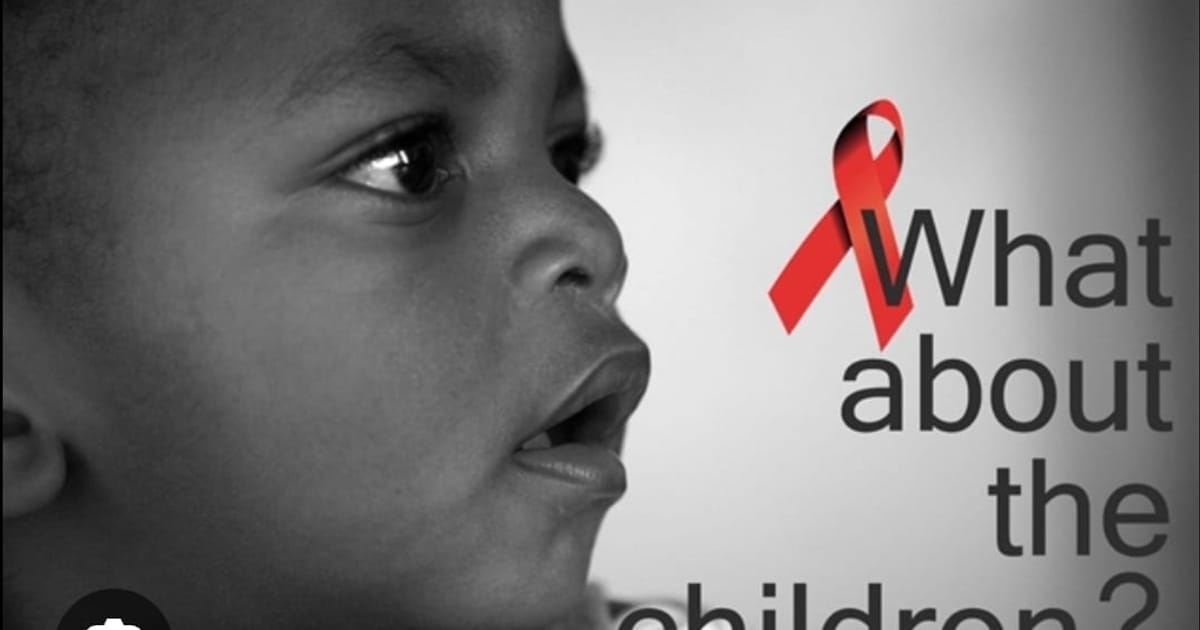
The unfolding situation in Ghana, and across the African continent, is increasingly alarming, with a growing sense of urgency surrounding the potential impact of proposed budget cuts to funding for HIV/AIDS initiatives. This isn’t simply a logistical concern; it’s a profound threat to the health and well-being of children, representing a critical juncture in the fight against this global pandemic. The implications extend far beyond the immediate numbers of affected individuals, threatening decades of progress and fundamentally altering the trajectory of development across the continent.
The core of the problem stems from a series of proposed reductions in funding allocated to the National HIV/AIDS Program, a cornerstone of Ghana’s public health strategy. This funding is vital, not just for direct treatment and prevention efforts, but also for crucial infrastructure development – including mobile clinics, laboratory facilities, and training programs – that directly impact the communities most at risk. Reports indicate that these cuts, amounting to approximately 30% of the current budget, would significantly curtail these essential services, slowing down progress and exacerbating existing challenges.
Early estimates suggest that these reductions will disproportionately affect vulnerable populations, particularly children and adolescents. The current HIV/AIDS prevalence rate in Ghana is already significantly higher than the global average, and this funding shortfall risks pushing the situation into a critical point of instability. A recent study by the African Health Institute estimated that without substantial investment, the number of new HIV infections among children could rise by 15% within the next five years, a devastating trend that demands immediate attention.
Furthermore, the cuts aren’t solely focused on treatment; they’re impacting prevention efforts as well. The program provides crucial education and awareness campaigns targeting young people, particularly those in marginalized communities, about HIV/AIDS transmission risks and prevention strategies. Reduced funding translates directly into diminished capacity to deliver these vital programs, weakening the preventative measures that are crucial to slowing the spread of the virus.
“We are deeply concerned about the potential consequences of these cuts,” stated Dr. Kwame Nkrumah, Director of the National HIV/AIDS Program, in a statement released earlier today. “These funds are not just about statistics; they’re about safeguarding the future of our children. We are actively engaging with government officials to understand the full extent of the impact and to explore alternative funding models that prioritize the health and well-being of our youth.”
The impact on children is particularly worrisome. According to a report by the Global Fund to AIDS, nearly 2 million children in Ghana are living with HIV/AIDS. The proposed cuts could lead to a further surge in cases among this vulnerable population, placing an immense strain on already stretched healthcare systems. The lack of access to testing, early treatment, and counseling will inevitably worsen the situation, increasing the risk of transmission and hindering recovery.
The government has acknowledged the seriousness of the situation, stating that they are actively seeking alternative funding sources and exploring opportunities to streamline operations to minimize the impact of the budget cuts. However, the long-term implications remain a significant concern. Experts warn that sustained underfunding could trigger a cascading effect, further eroding the country’s progress in combating HIV/AIDS and undermining its overall development goals. The urgency of this situation cannot be overstated; the future of countless children hangs in the balance.
The Publishing Desk at Media General Digital is committed to providing accurate and comprehensive coverage of this critical issue. We will continue to monitor the situation closely and report on the latest developments as they unfold. The financial implications for the future of Ghana’s children are a matter of profound national concern.
Watch Related Video
Source: TV3